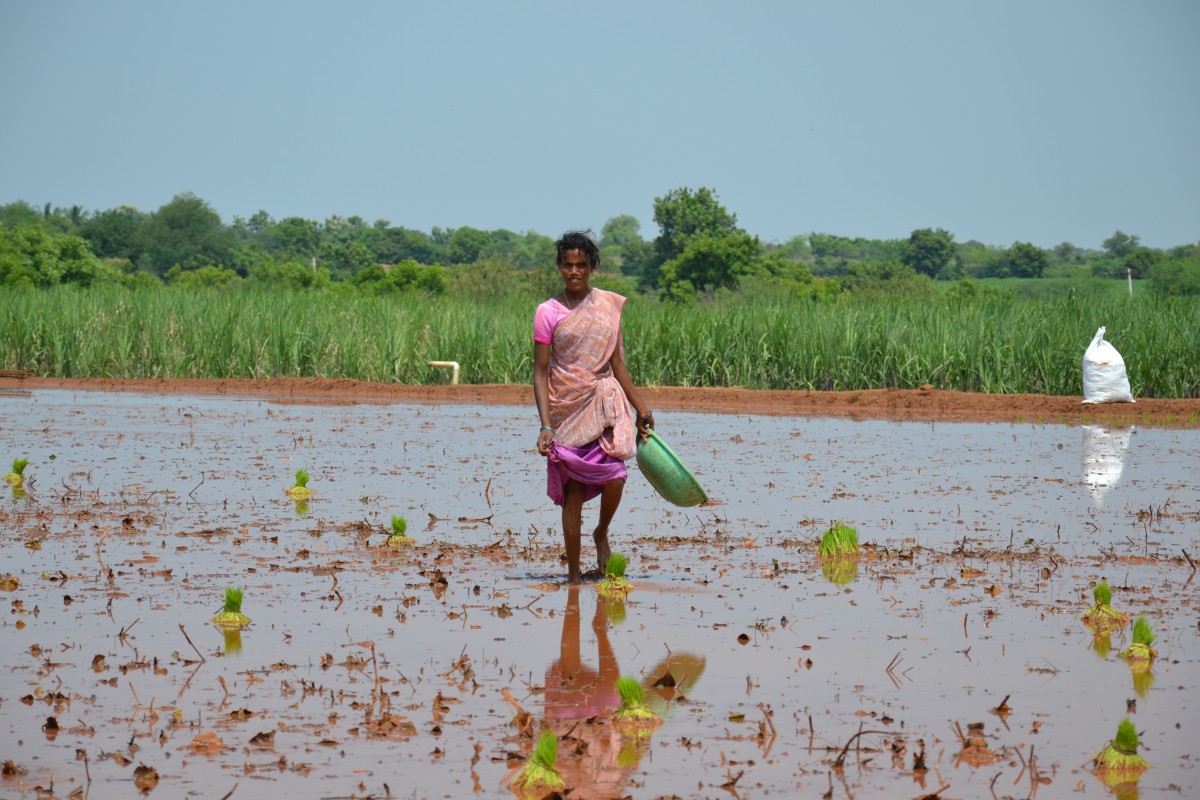
If God is good and all-powerful, why does poverty exist? Why doesn’t He just make everyone equal?
The short answer is — that’s not His design. And when you understand why, it changes how you see both wealth and need.
The poor are always with us — on purpose
Jesus said something that sounds harsh until you think about it:
John 12:8
You will always have the poor among you, but you will not always have me.
He wasn’t being dismissive of the poor. He was telling us something about how the world works. Poverty isn’t a glitch God forgot to fix. It’s part of how His kingdom operates here on earth.
Poverty drives people toward God
Jesus opened the Sermon on the Mount with this:
Matthew 5:3
God blesses those who are poor and realize their need for him, for the Kingdom of Heaven is theirs.
When you have nothing, you know you need something. That awareness — that desperate dependence — is actually one of the closest positions a person can be to God. Wealth can make you feel self-sufficient. Poverty strips that away. It’s hard, but it’s honest.
Wealth is a test, not a reward
Think about the lottery analogy. Ten different people win a million dollars. Some would blow it. Some would invest it wisely. Some might use it to genuinely help people. The money doesn’t change who they are — it reveals who they are.
God works the same way. Before He gives someone more, He already knows what they’ll do with it. Jesus made this clear in the parable of the talents:
Matthew 25:29
To those who use well what they are given, even more will be given, and they will have an abundance. But from those who do nothing, even what little they have will be taken away.
If you’ve ever wondered why some Christians seem to have more than you, consider this — God may be giving them more to be responsible for, not more to enjoy for themselves. More resources in God’s economy means more accountability, not more comfort.
The poor give the rest of us someone to serve
How would we ever learn generosity if no one was hungry? How would we practice mercy if no one needed a place to sleep? Poverty is the single biggest driver of human charity. It creates the conditions where love becomes action.
Jesus described the final judgment this way — and the standard He used wasn’t doctrine, it was how people treated the vulnerable:
Matthew 25:35–40
For I was hungry, and you fed me. I was thirsty, and you gave me a drink. I was a stranger, and you invited me into your home. I was naked, and you gave me clothing. I was sick, and you cared for me. I was in prison, and you visited me… I tell you the truth, when you did it to one of the least of these my brothers and sisters, you were doing it to me.
You don’t serve a need from a distance. You get close. And sometimes, without knowing it, that closeness is holy. The book of Hebrews reminds us that some people have welcomed angels without realizing it.
God has always worked this way
His own people spent 400 years as slaves in Egypt — as poor as anyone can be. Then He raised up David from a shepherd field and gave Solomon wealth beyond anything the ancient world had seen. He didn’t tell Solomon to distribute it equally because not everyone is equally equipped to steward it.
God isn’t confused about inequality. He uses it. He used slavery in Egypt to build a people. He used poverty to produce humility. He used wealth to build a temple and establish a kingdom. None of it was random.
What this means for you
If you’re struggling financially right now, you may be in one of the closest positions to God you’ve ever been. That’s not a consolation prize — that’s the testimony of every person He’s ever used in a significant way.
And if you’re doing well, the question isn’t how much you have. It’s what you’re doing with it.